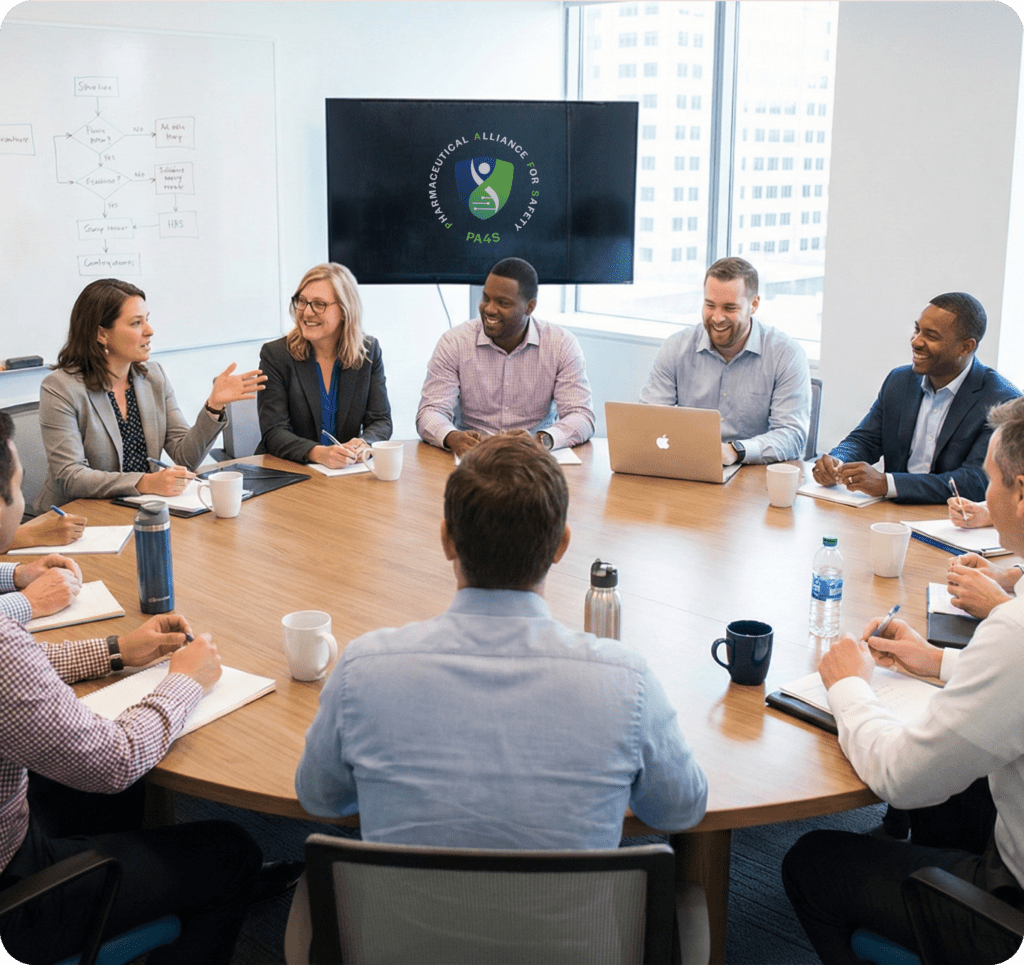
PA4S is designed to be practical, predictable, and comfortable for working professionals. Participants meet regularly in small groups to discuss real operational situations in a confidential professional environment.
The format is intentionally consistent so members always know what to expect.
Participants are never asked to present their company’s programs or internal practices.
PA4S is a working community where professionals learn from each other’s real operational experience.
Participants take part in:
These are structured conversational discussions between peers, not presentations, training sessions, or evaluations.
Participants are placed into small discussion groups composed of professionals in similar roles and levels of responsibility.
Group Size
8–12 participants per group
Composition
Cross-company, similar operational exposure
Purpose
Encourage open and relevant dialogue
Groups are intentionally small so every participant can speak, ask questions, and learn from others facing similar challenges.
Participation is voluntary — members may speak as much or as little as they are comfortable.
PA4S is a working peer community. Participation is structured, confidential, and focused on real operational situations.
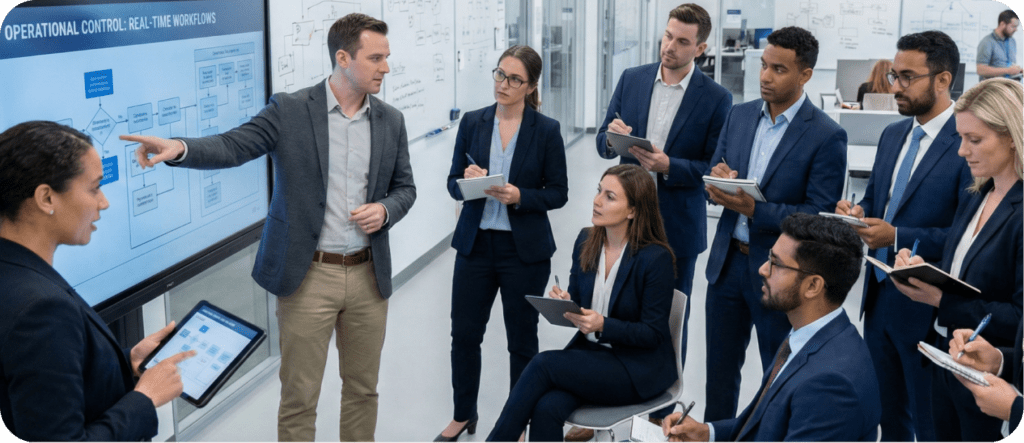
Confidential discussions on current operational safety challenges members are actively managing.
You leave with: Practical approaches you can apply immediately.
Occasional observational exchanges hosted by participating organizations for professional learning and dialogue.
You leave with: Real examples to adapt locally..
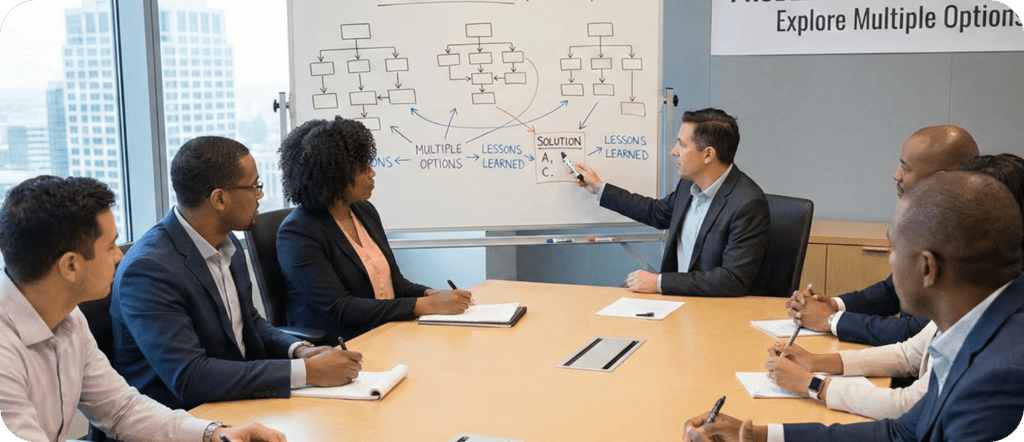
Anonymous real situations are discussed with peers to explore multiple options and lessons learned.
You leave with: Multiple solutions—not just one viewpoint.
Experienced leaders discuss difficult decisions and how they navigated constraints in real operations.
You leave with: Judgment and perspective you can use on the job.
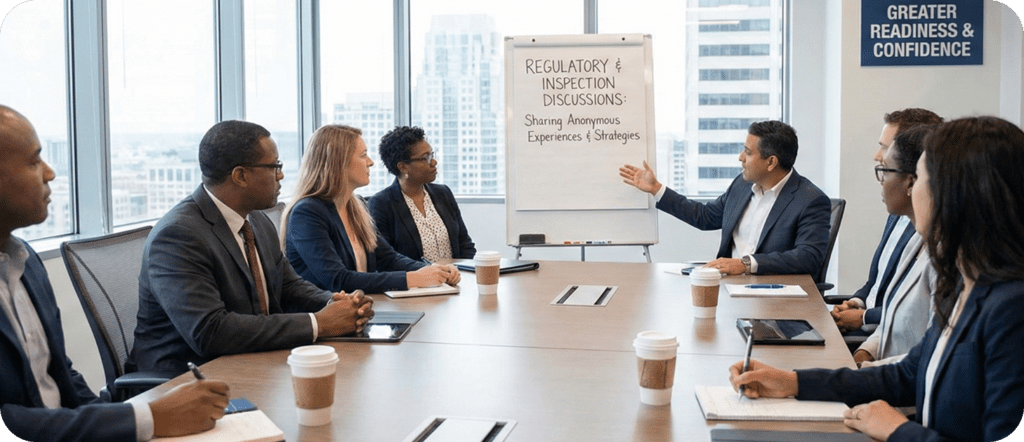
Members share inspection experiences and preparation strategies without attribution.
You leave with: Greater readiness and confidence.
Groups meet on a regular schedule.
Session dates and topics are scheduled in advance to allow for consistent, organized participation.
Approximately once per month
75–90 minutes
Discussion sessions (with occasional in-person working meetings)
Sessions are informal professional conversations rather than scheduled coursework.
Each session is a structured conversation rather than a lecture or training program.
A typical meeting includes:
There are no slideshows, formal presentations, or prepared speeches. The focus is practical dialogue.
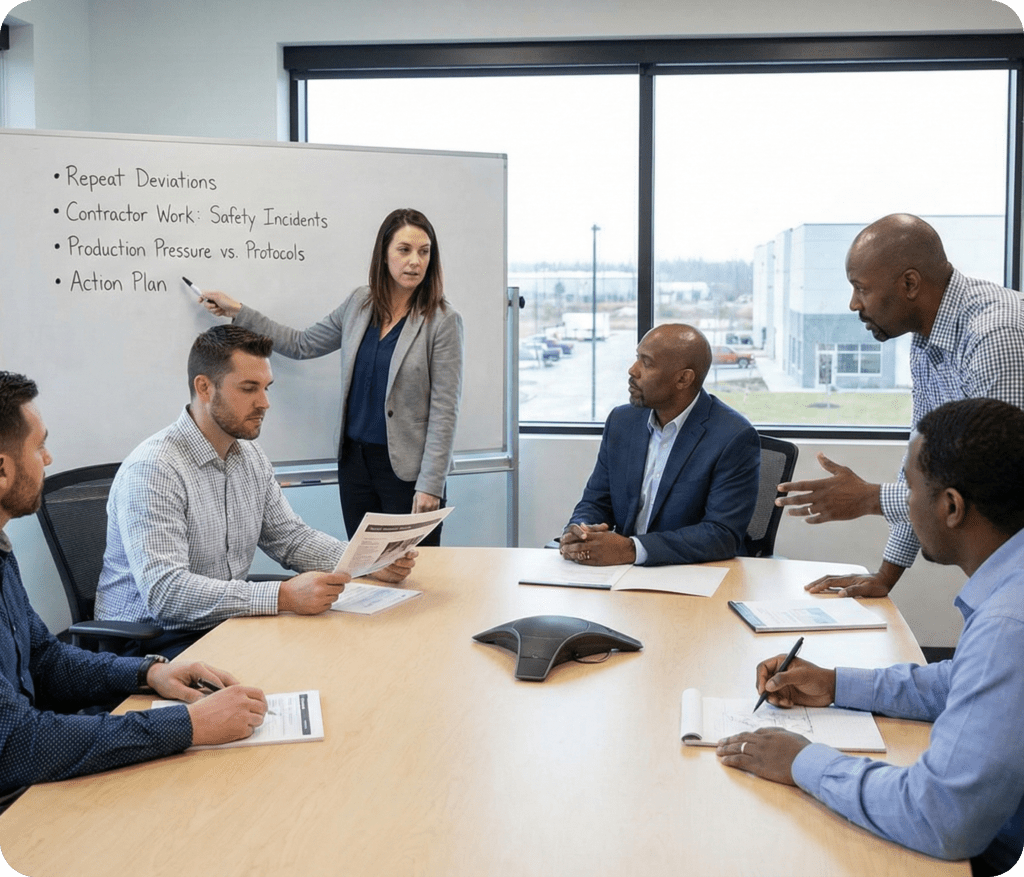
Topics come from real operational situations experienced by participants. Examples include:
Participants may suggest topics at any time.
Situations are discussed in general terms without identifying companies, facilities, or individuals.
Participants are not expected to present formal case studies or disclose confidential company information.
Instead, members:
Participation is conversational and professional.
All PA4S discussions follow the Chatham House Rule.
Participants may use the information they learn, but comments are never attributed to individuals or companies.
Participants contribute professional experience and perspectives rather than formal company positions. Discussions are not considered organizational statements or commitments. Company sponsorship supports participation but does not imply endorsement of specific views expressed during discussions.
There are:
The purpose is open professional learning.
No operational performance data, metrics, or internal documents are requested or shared.
Each group is guided by a facilitator whose role is to:
Participants take part in:
Facilitators do not evaluate participants and do not provide consulting recommendations.
Participants are expected to:
Preparation is not required.
Participants commonly gain:
The goal is not agreement, but learning.
A short introductory conversation will be scheduled to answer questions and place you into an appropriate discussion group.