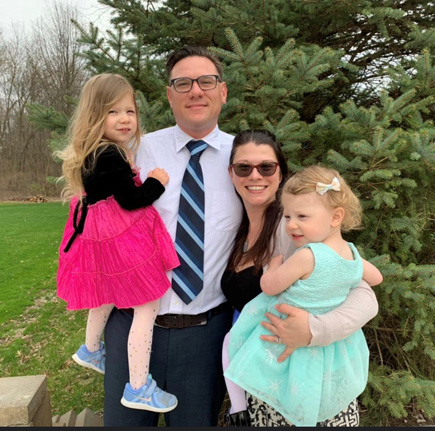
Natasha Kalas has always had a penchant for playing in the dirt. A lifelong gardener she is most passionate about growing her own fresh herbs and vegetables. Natasha lives in Hinckley Ohio with her husband and two young daughters Claire and Eve and gardening has become a family affair. They just finished planting tomatoes, zucchini, peppers, herbs, black beans, carrots, watermelon, kale, pumpkin, peas, beets, asparagus, and garlic. In addition, they also grow blueberries.
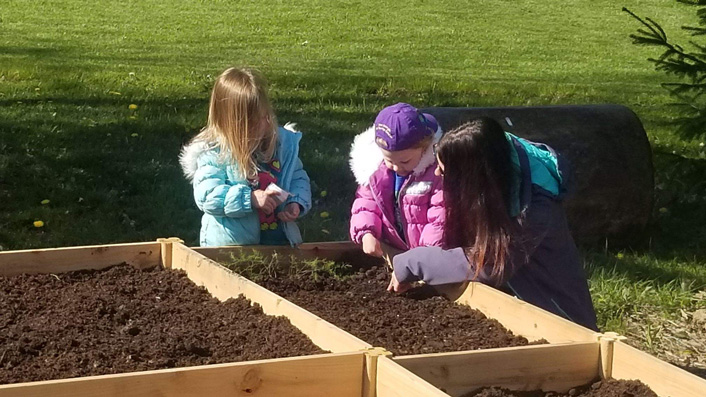
Natasha is experienced with growing vegetables but admits she has not had much success with flowers. However, she has decided to try and grow daisies, dahlias, and Black-eyed Susan’s for a friend’s wedding this summer. Gardening is an excellent activity to share with your kids.
What better way to teach your children the benefits of growing food and eating healthy than to have them help you plant a garden and take care of it. Natasha is starting to teach her daughters responsibility by having them help her pull weeds and water the plants. Gardening can also provide kids with a sense of accomplishment. She recalls watching her daughter’s eyes light up the first time she saw a cherry tomato in their garden.

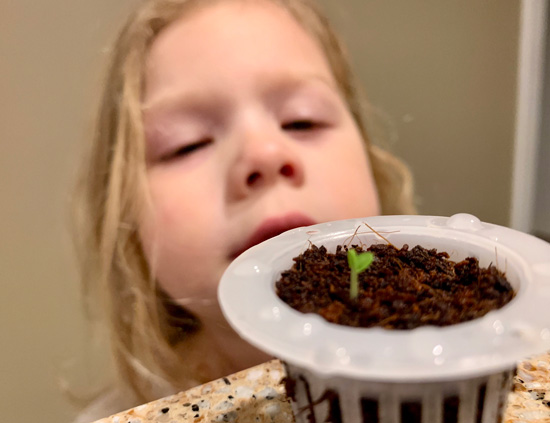
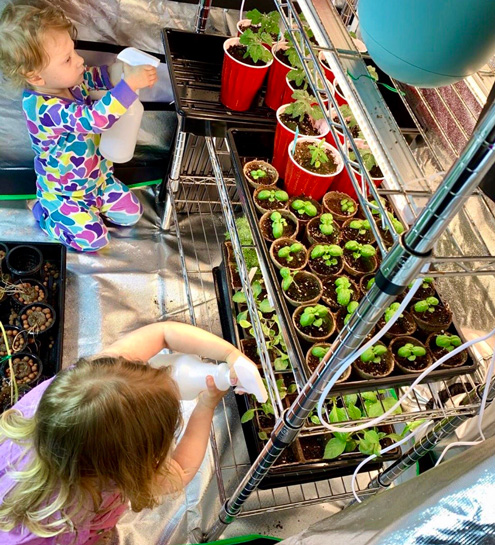
Living in the northeastern part of the U.S. puts limitations on outdoor gardening due to the seasonal weather. In the winter of 2019, Natasha decided she wanted to take her garden “inside” the garage and experiment with hydroponics so they could enjoy home grown food all year long.
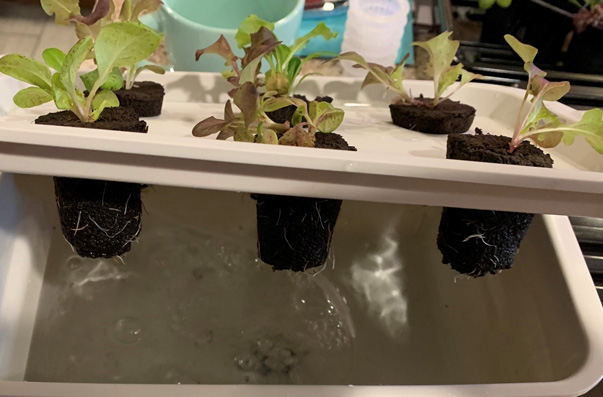
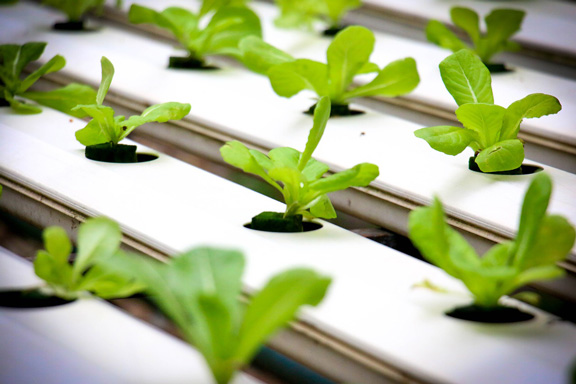
Hydroponics is growing plants without using soil but rather with water, sand, and gravel. This growing technique was used by early civilizations such as the Egyptians, Aztecs, and the Chinese.
During WWII hydroponics was used to grow fresh produce on dryland islands throughout the Pacific. During the 1970’s NASA also experimented with hydroponics in the space program to see if growing food on another planet would be feasible.
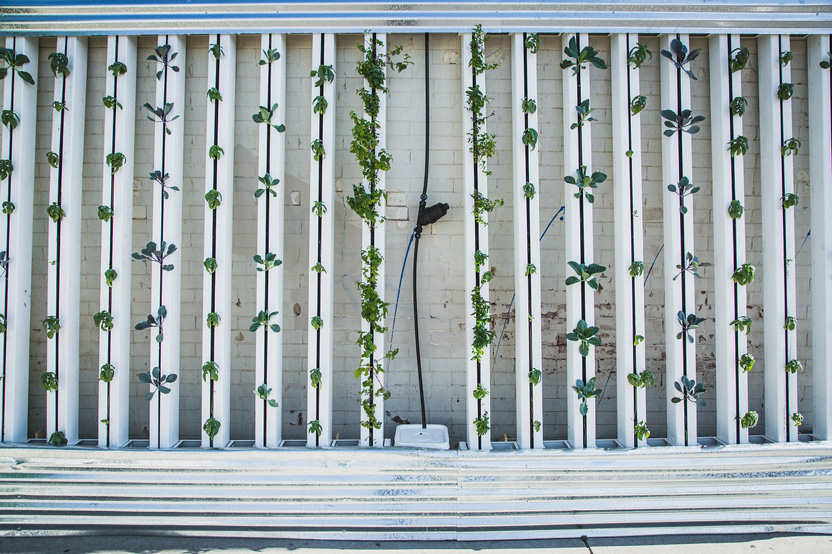
Research has increased tremendously on hydroponics due to the demand for more sustainable agriculture. There are several advantages to using this growing technique. Since there is no soil, there is no land required, no weeds and there is no need to treat the crop with pesticides. Eliminating pesticides produces cleaner air, water, and soil. Water is conserved because the reservoir can be reused again. Another huge benefit is hydroponics allows food to be grown indoors on a year-round basis and this can be done in any type of building.
As Natasha began to set up her indoor garden, it did not take long before she encountered some difficulties. She could not find one site on the internet that provided all the information needed to grow your own hydroponic garden.While there are plenty of articles about how to set this up, there was little information available on the required nutrients and ph. levels, light intensity, water, air temperatures, and oxygen/CO2 exchange. She had to look through university research articles and even reached out to a horticulturalist for this information.
Natasha also found that a hydroponic garden requires constant monitoring with the lighting, temperature, and water otherwise the plants will die quickly. She experienced this when she forgot to check the plants one morning before leaving to work. These problems gave her an idea. What if she could find solutions to these obstacles with the help of technology?
After working 13 years as a financial planner and with two young children at home, Natasha was ready to make a change. She was already actively volunteering for several local organizations in her community. While her volunteer work was meaningful to her, Natasha wanted to make an impact and a positive change in the world her children live in.
What started as a side project evolved into EvergreenCle which has become her full-time professional focus. She and the team at EvergreenCle are working to develop both home and commercial large scale indoor growing systems.
EvergreenCle is going to provide home gardeners around the world the opportunity to grow clean produce 365 days of the year. The grow kit will come with a complete setup which will include seeds, lights, and sensors for your own hydroponic garden. Depending on the growing season, customers will eventually be able to purchase different plants, or they can choose to stay with what they already have.
EvergreenCle is currently designing, developing, and testing their plant studies along with the help of a horticulturalist. They are building plant profiles which will direct the growing system how to grow a specific plant the user selects from their system.
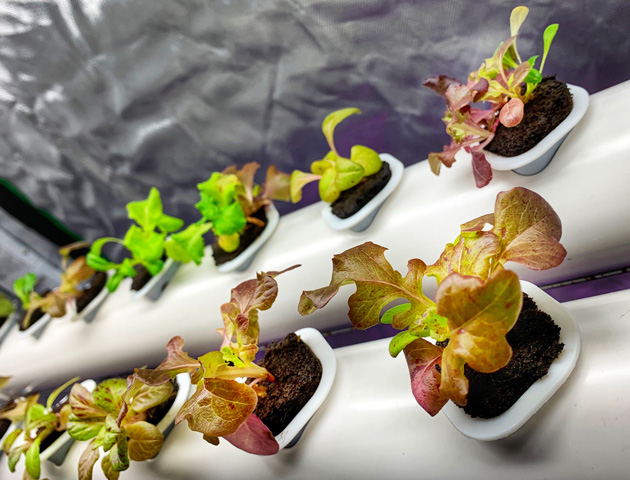
They are building a secure infrastructure for the IOT system. An IOT system means “internet of things”. This consists of sensors in which data is transmitted through a cloud-based platform. In this case, a customer would purchase the complete growing system, register their device on the EvergreenCle website, sync their growing system with their profile, select a plant they wish to grow and then the system takes it from there. The growing system has a tiny computer that will interact with their cloud-based plant profile to direct the growing system throughout the lifecycle of the plant.
One of the disadvantages of hydroponic gardening is that it typically requires constant monitoring. EvergreenCle’s automated system will enable people to manage and maintain their gardens through their smart phone. They currently have a wait list for people who are interested in the beta testing for their first design.
Hydroponics makes an indoor garden possible and the best part is that it is GMO and pesticide free. There is nothing tastier than home grown produce. EvergreenCle is hoping that their technology can help shorten the supply chain, provide access to local foods was well as create economic development for communities that are struggling. Natasha says “My hope is that we enhance the growing experience, extend our growing season and get more people excited about food, technology and healthy eating”
For more information on EvergreenCle contact Natasha at evergreencle@gmail.com